


Running Roadball
4.659.00 Reviews
App Specs
- Version
- 0.0.24
- Updated On
- License
- Free
- Downloads
- 10,000,000+
- Developer
- HUMSHAN LIMITED
- Categories
- Music
- Platform
- Android
Screenshots
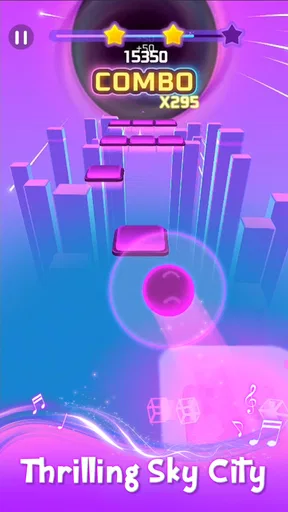

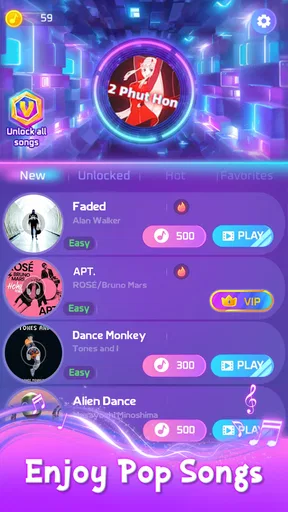
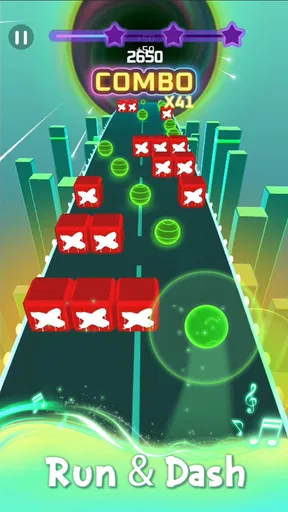
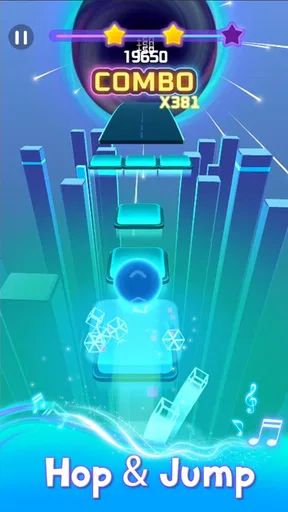

 Analysis by AppCompare
I like music games most when the music and movement give me something to focus on without demanding a long setup. Running Roadball takes a direct route: it puts a ball on a track and asks me to steer through colored tiles while keeping the run going. That simple central idea makes it easy to understand, but it also means the fun depends on whether quick reactions and repeated attempts are what I want from a game.
A music game built around keeping the run going
Rather than asking me to learn a complicated set of rules, Running Roadball places the emphasis on staying alert as the ball moves along its route. I find that appealing for short sessions: I can start playing without first studying a tutorial or memorizing a long chain of actions. The music-game framing gives the movement a sense of rhythm, while the need to watch the path keeps my attention on what is coming next.
That focus has a useful trade-off. If I want a game where the main pleasure comes from shaping a song, building a playlist, or practicing a detailed rhythm chart, this is not the same kind of experience as a conventional rhythm game. Its appeal is more immediate and physical: notice the tiles, react, and try to maintain the run. I would recommend it to someone who likes music-themed action and short bursts of concentration, not to someone looking for a deep music library or a technical rhythm challenge.
What the controls ask of you
The basic interaction is easy to picture: guide the ball across the route and respond to the colored tiles. That simplicity is friendly at first, but it does not remove the need to pay attention. When I play a fast-moving runner, one of the practical habits that helps is looking a little ahead rather than staring only at the ball. That gives me more time to decide where to move, especially when a path changes quickly.
I also find it sensible to begin with small, deliberate movements instead of swiping wildly. A quick game can make overcorrection tempting, but calmer inputs are easier to repeat and learn from. If a run ends, I can treat it as a clue about whether I reacted late or moved too far, rather than simply tapping faster next time. That approach is more useful than trying to force speed before I am comfortable reading the track.
When a short session makes sense
The strongest everyday fit is a spare moment when I want something more engaging than scrolling but do not have time to settle into a longer game. A brief break between tasks is a natural place for a run: I can focus on the moving path, make a few attempts, and put the phone away when I need to return to what I was doing. It also suits a casual handoff to a friend who wants to try a simple reaction challenge, because the central task is straightforward to explain.
I would be more cautious about playing when I need to keep half an eye on a conversation, a busy commute, or anything that already calls for attention. The game’s core challenge depends on watching and reacting; splitting focus can make a run feel frustrating rather than relaxing. It is a better choice for a short, deliberate break than for something I expect to play well while distracted.
Worth Reading Before You Choose

Baby Panda World Brings Quick Play to Modern Phones, but Its Game Library Feels Busy

ESPN’s Live Game View Makes Following Close Games Easier

QuizzLand Review: A Good Fit for Short Trivia Breaks, Not Every Player

Basketball Stars: Multiplayer Is Fast, but Can It Recover When Matches Go Wrong?

WEBTOON Turns Phone Updates Into a Better Reading Routine

Link to Windows Runs on Shared Habits, Not Social Feeds
Gameplay That Keeps You Hooked
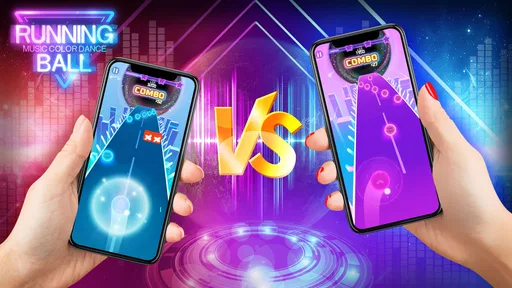
From the moment I launched Running Roadball, I knew I was in for some fun. The concept is simple yet addictive: maneuver your ball through a winding road filled with challenges. With a swipe of your finger, you guide the ball left or right, dodging obstacles and picking up power-ups along the way. It sounds easy, but trust me, things get intense pretty quickly!
Visuals and Soundtrack
One of the first things that caught my eye was the game’s vibrant graphics. The colors are bright and inviting, making every level visually appealing. The animations are smooth, which is crucial because the last thing you want is a lag when you're trying to dodge an obstacle. And let’s not forget the soundtrack—it's upbeat and motivating, providing that extra push to keep going even when the levels get tough.
Because the track and tiles are central to making quick decisions, the bright presentation is more than decoration in my experience: it helps make the route legible at a glance. That is useful when I have only a moment to choose a direction. Still, vivid visuals can become tiring if I keep playing for a long stretch, so I see the game as a better match for short sessions than as a background activity to leave running for ages.
Features That Stand Out
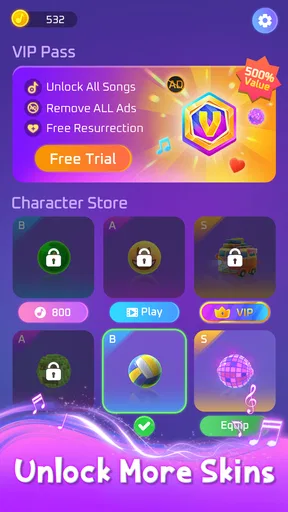
This game isn’t just about avoiding obstacles. There are power-ups that you can collect, like speed boosts and shields, which add an exciting twist to the gameplay. Plus, there are different types of balls to unlock, each with its own unique abilities. This adds a layer of strategy as you decide which ball best suits your playstyle.
Those choices make it worth paying attention to what happens during a run rather than treating every attempt as identical. I would first learn the basic route-reading rhythm, then try out an unlocked ball or a collected boost and notice whether it changes how confidently I handle a tricky stretch. A power-up can help, but it is not a substitute for watching the path; I would use it as support rather than assuming it will solve every mistake.
"Patience is key, but speed is essential."
Challenges and Rewards
As you progress, the levels become more challenging, requiring quicker reactions and better strategy. But with greater challenges come greater rewards. The satisfaction of completing a difficult level is immense, and the game keeps you coming back with daily challenges and rewards. It’s like a little pat on the back for your efforts!
That progression is likely to work best for players who enjoy a clear reason to try again. I would set a small goal for a session—such as making a cleaner run or getting more comfortable with a difficult section—rather than turning every attempt into a test of how long I can keep playing. If the challenge stops feeling satisfying, taking a break is a better response than chasing rewards out of habit.
Cost, access, and what to expect
Running Roadball is a free game from HUMSHAN LIMITED, with optional in-app purchases listed from $0.99 to $6.99 per item. I would start by playing without spending: the core appeal is the repeated act of steering through the route, so it makes sense to decide first whether that loop holds my attention. Purchases are easier to judge once I know what I actually want from the game, rather than treating them as a necessary first step.
The game is rated for Everyone, and it has a 4.7 average from around 9,400 ratings, with over five million installs. Those figures suggest broad interest, but they do not tell me whether its quick, reflex-led style will suit a particular player. It was released on January 14, 2025; version 0.0.19 is listed, and the minimum operating system is 7.0. I would check that my device meets the requirement before trying to install it.
One practical question is whether this can replace a traditional music or rhythm game. For me, not really: a chart-based rhythm title is a better fit when I want timing practice tied closely to a song, while this is better when I want movement, track-reading, and quick decisions. Another is whether it works as a long-session game. Its escalating challenge and rewards may keep me returning, but the simple central action is likely to feel repetitive to anyone who needs constant changes in mechanics or a story to carry them forward.
Who will enjoy it, and who may want something else
I would point Running Roadball toward someone who enjoys colorful arcade action, likes improving through retries, and wants a game that is quick to understand. It can also suit a player who usually avoids complicated controls but still wants a little pressure to stay focused. The best approach is to play in a place where I can give the screen my attention, keep my swipes measured, and treat each run as a chance to learn how the route behaves.
I would skip it if I am looking for a deep rhythm system, a relaxed game that can be played while distracted, or a long-form experience with lots of narrative progression. Someone who prefers slower puzzle games may get more enjoyment from a title that gives them time to consider each move. Running Roadball’s main attraction is precisely that it asks for quick responses, so that same quality will be a drawback for players who want calm, low-pressure play.
Why You Should Try It
If you’re into games that are easy to pick up but hard to master, Running Roadball is definitely worth a download. It’s perfect for those moments when you need a quick gaming fix. Plus, it’s a great way to test and improve your reflexes. Just be prepared to get hooked, because once you start rolling, it’s hard to stop!
In conclusion, Running Roadball offers a thrilling gaming experience with its engaging gameplay and colorful visuals. Whether you’re a casual gamer or someone looking for a challenge, this game has something for everyone. So, grab your device, download the game, and start rolling your way to fun!
Pros
- Intuitive controls for smooth gameplay.
- Vibrant graphics enhance the experience.
- Regular updates with new levels.
- Encourages strategic thinking and planning.
- Lightweight app
- saves storage space.
Cons
- Occasional in-app ads can be distracting.
- Requires internet for full functionality.
- Limited customization options available.
- Infrequent connectivity issues reported.
- Challenging levels may frustrate beginners.
FAQs for Running Roadball
What is Running Roadball and how does it work?
Running Roadball is an engaging mobile game that combines elements of endless runner and puzzle genres. Players control a ball that navigates through increasingly challenging tracks filled with obstacles. The objective is to reach the end of each level by swiping and tilting your device to avoid barriers and collect bonuses.
Is Running Roadball free to play?
Yes, Running Roadball is free to download and play on both Android and iOS devices. However, it offers in-app purchases for players who wish to enhance their gaming experience with additional features, such as new skins for the ball or the ability to skip challenging levels.
What are the system requirements for Running Roadball?
Running Roadball requires iOS 11.0 or later for iPhone users and Android 5.0 or higher for Android devices. It is optimized for both smartphones and tablets, ensuring a smooth gaming experience with decent graphics and responsive controls across a wide range of devices.
Are there any social features in Running Roadball?
Yes, Running Roadball includes social features that allow players to connect with friends, share their progress, and compete on global leaderboards. Players can also challenge friends to beat their high scores or collaborate in special events and tournaments.
How often does Running Roadball receive updates?
The developers of Running Roadball strive to provide regular updates to improve gameplay and add new content. These updates often include new levels, features, bug fixes, and enhanced graphics, ensuring that players have a fresh and enjoyable gaming experience over time.


